Understanding the Differences Between Traditional Molle and Laser Cut Molle
- retributioninfo
- May 7
- 4 min read

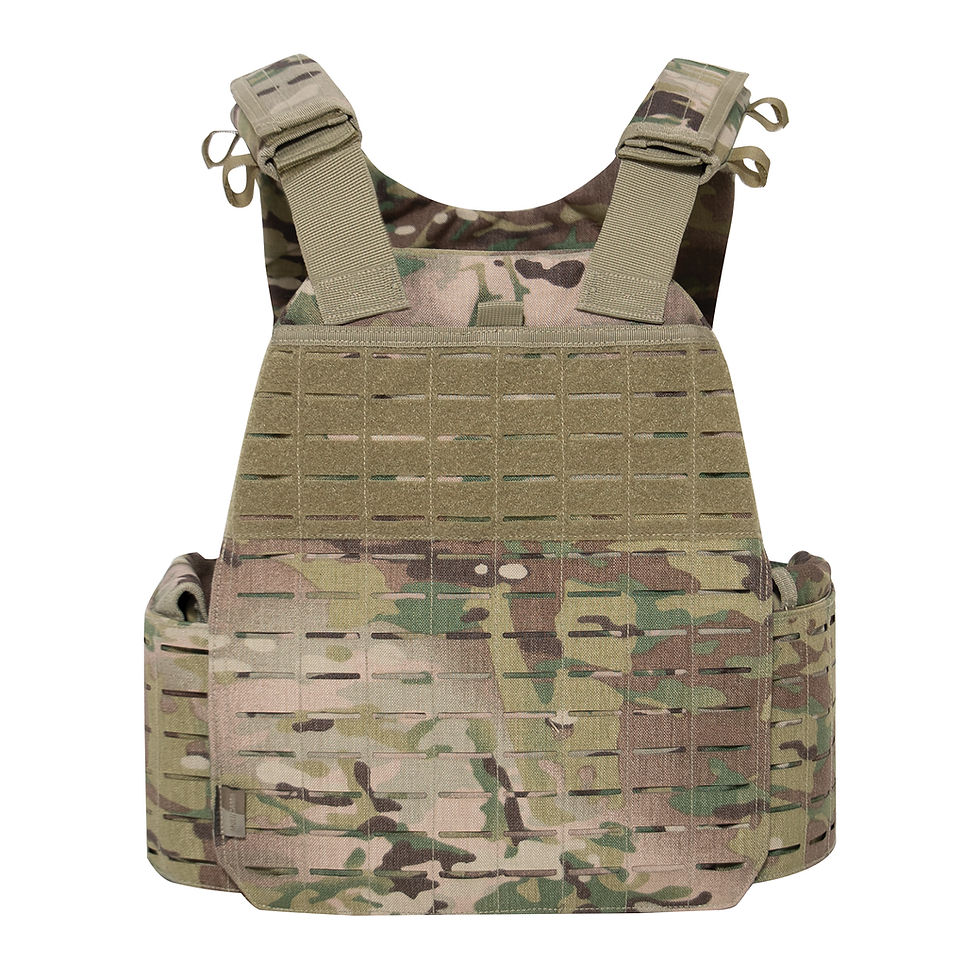
When it comes to tactical gear, the choice of attachment systems can make a big difference in functionality, durability, and overall user experience. Two popular options are traditional MOLLE and laser cut MOLLE. Both serve the same purpose: to provide a modular platform for attaching pouches, holsters, and other accessories. Yet, they differ significantly in design, construction, and performance.
This post explores the key differences between traditional MOLLE and laser cut MOLLE, helping you decide which system fits your needs best. Along the way, you’ll find practical insights and examples to guide your choice. If you want to explore our selection of MOLLE gear, check out our traditional MOLLE products and laser cut MOLLE products.
What is Traditional MOLLE?
MOLLE stands for Modular Lightweight Load-carrying Equipment. It originated as a military standard for attaching gear to backpacks, vests, and belts. Traditional MOLLE uses rows of heavy-duty nylon webbing stitched onto the fabric in horizontal strips. These strips create loops that allow users to weave straps from pouches or accessories through them, securing the items firmly.
Key Features of Traditional MOLLE
Material: Usually made from thick nylon webbing sewn onto durable fabric such as Cordura.
Attachment Method: Uses weaving of straps through webbing loops.
Durability: The stitching and webbing provide strong, reliable attachment points.
Flexibility: Allows for easy customization and rearrangement of gear.
Weight: The webbing adds extra weight and bulk to the gear.
Traditional MOLLE has been the go-to system for decades because of its proven reliability and ease of use. However, it has some drawbacks, especially in terms of weight and snag potential.
What is Laser Cut MOLLE?
Laser cut MOLLE is a newer innovation that replaces the sewn webbing strips with laser-cut slots directly into the fabric. High-strength materials like Cordura are precisely cut with a laser to create narrow, reinforced slots that serve as attachment points. This method eliminates the need for bulky webbing.
Key Features of Laser Cut MOLLE
Material: Typically uses high-denier Cordura or similar fabrics with laser-cut slots.
Attachment Method: Slots are cut directly into the fabric, allowing straps to pass through.
Durability: Reinforced edges of the slots prevent tearing.
Weight: Significantly lighter due to the absence of sewn webbing.
Low Profile: Creates a sleek, smooth surface with less snagging.
Laser cut MOLLE is favored for its modern look and lightweight design, making it popular in tactical, outdoor, and everyday carry gear.
Comparing Strength and Durability
Traditional MOLLE’s sewn webbing offers excellent strength because the nylon strips distribute weight and stress across multiple stitches. This makes it highly resistant to tearing, even under heavy loads or rough use.
Laser cut MOLLE relies on the strength of the fabric itself and the precision of the laser cuts. The slots are reinforced to prevent fraying, but the overall durability depends on the quality of the fabric and the cutting process. High-quality laser cut MOLLE can match traditional MOLLE in strength, but lower-grade materials may wear faster.
Example: A military-grade backpack with traditional MOLLE can carry heavy pouches without risk of failure. A laser cut MOLLE vest made from 500D Cordura with reinforced slots can also hold similar loads but may show wear sooner if used roughly.
Weight and Bulk Differences
One of the biggest advantages of laser cut MOLLE is the reduction in weight and bulk. Traditional MOLLE’s sewn webbing adds layers of nylon, increasing the overall weight and thickness of the gear. This can be noticeable when carrying multiple pouches or wearing the gear for extended periods.
Laser cut MOLLE removes the webbing strips, leaving a flat, smooth surface. This reduces weight by up to 20-30% depending on the design and materials. The slim profile also reduces snagging on branches or gear, which is a common issue with traditional MOLLE.
Ease of Use and Customization
Traditional MOLLE requires weaving straps through the webbing loops, which can take time and effort, especially when rearranging gear. However, this method provides a very secure attachment that rarely loosens.
Laser cut MOLLE allows for quicker attachment since the slots are wider and more accessible. Users can slide straps in and out more easily, speeding up customization. On the downside, some users find laser cut MOLLE less intuitive at first because it lacks the tactile feedback of webbing loops.
Aesthetic and Design Considerations
Laser cut MOLLE offers a modern, minimalist look that appeals to many users. The clean lines and smooth fabric surface give gear a sleek appearance. This style is popular in urban and everyday carry gear where discretion and style matter.
Traditional MOLLE has a rugged, tactical look with visible webbing strips. It is often preferred by military personnel and outdoor enthusiasts who value function over form.
Practical Examples of Use
Military and Law Enforcement: Traditional MOLLE remains the standard due to its proven durability and secure attachments. Many tactical vests, backpacks, and belts use this system.
Outdoor and Hiking Gear: Laser cut MOLLE is gaining popularity for lightweight backpacks and packs where every ounce counts.
Everyday Carry (EDC): Laser cut MOLLE is favored for slim wallets, pouches, and bags that benefit from a low-profile design.
Choosing the Right MOLLE System for You
When deciding between traditional and laser cut MOLLE, consider these factors:
Weight Sensitivity: If you want to reduce weight and bulk, laser cut MOLLE is the better choice.
Durability Needs: For heavy-duty use and maximum strength, traditional MOLLE is more reliable.
Appearance: Choose laser cut MOLLE for a modern look; traditional MOLLE for a classic tactical style.
Ease of Attachment: Laser cut MOLLE allows faster gear changes; traditional MOLLE offers more secure fastening.
Budget: Traditional MOLLE gear is often less expensive due to simpler manufacturing.
Explore our full range of traditional MOLLE gear and laser cut MOLLE gear to find products that fit your preferences.


Comments